
SCIENCE
My project will characterize the channel morphology of the Lower Eklutna river outside of Anchorage, Alaska and quantify the sediment load left behind after the 2018 dam removal. The end result will be a model for sediment transport potential at various flow rates. This model will inform restoration specialists how salmon habitats may be affected in the future. Funds will be used to pay summer salary for field data collection and lab experimentation. This research opportunity will act as both a senior project and provide the opportunity to receive hands-on training in data collection and data analysis. Completing this research directly supports the completion of a STEM degree, a B.S. in Marine and Environmental Science with a focus in Fisheries Ecology. This project aligns with specific goals of NASA, in particular, the Science Mission Directorate goal, that identifies the purpose of the Earth Science program as being "to develop a scientific understanding of Earth's system and its response to natural and human induced changes." This goal directly relates to my project goal: to understand changes in physical structures of riverine habitat influenced by dams and their removal. This proposal also aligns with the NASA Earth science research objective to understand the "interactions among the atmosphere, oceans, land and ecosystems, including humans." The research from this project will contribute to further understanding of how dams impact the sediment cycles of rivers. Sediment cycling can impact human communities as well as aquatic communities, specifically salmon (Cover et al., 2010).
Profile
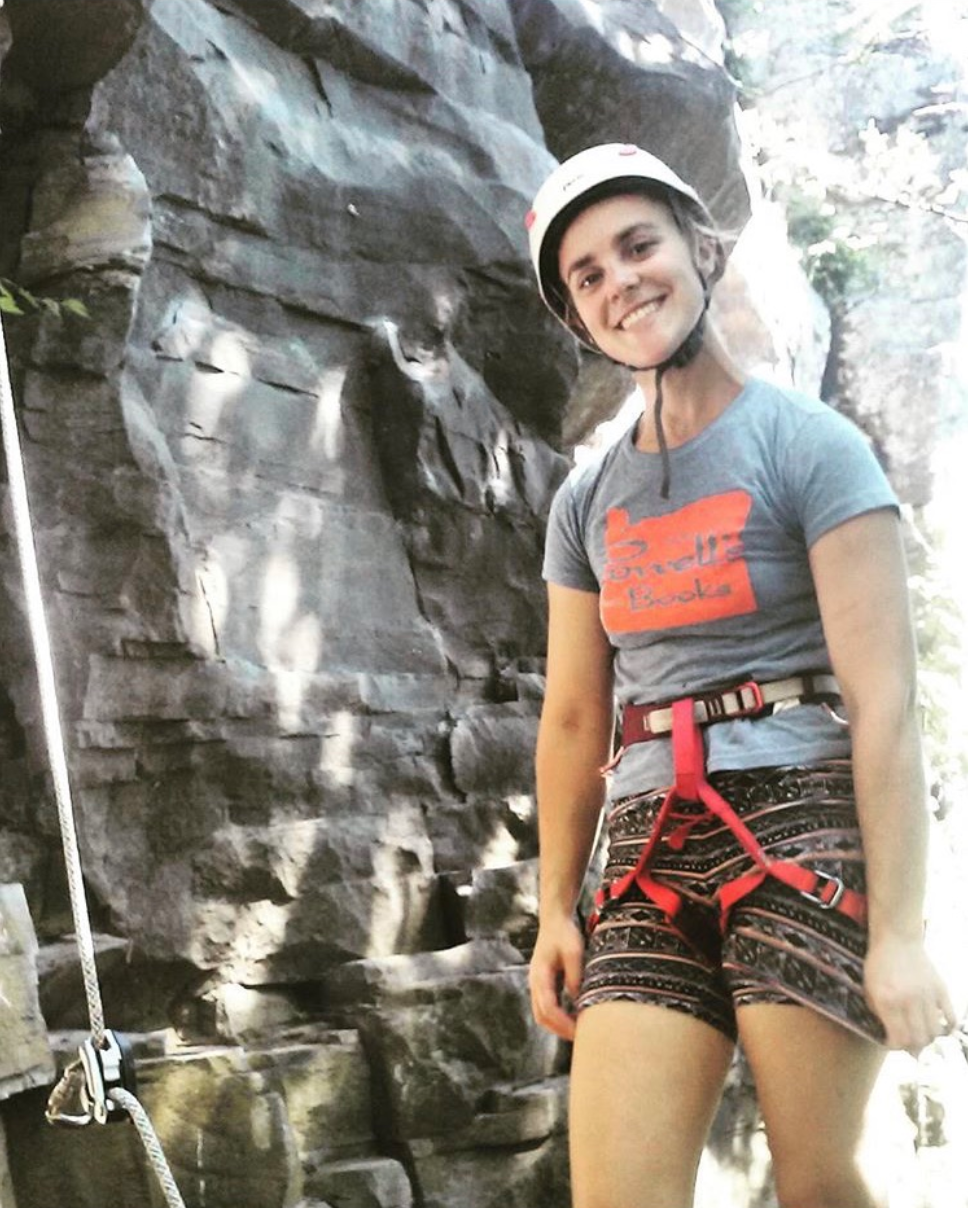
Name: Monica Keim, Undergraduate Student
Institution: Alaska Pacific University
Major: Marine & Environmental Science
Mentor: Jason Geck, jsgeck@alaskapacific.edu
Award: Apprenticeship
Funding Period: 2020