
SCIENCE
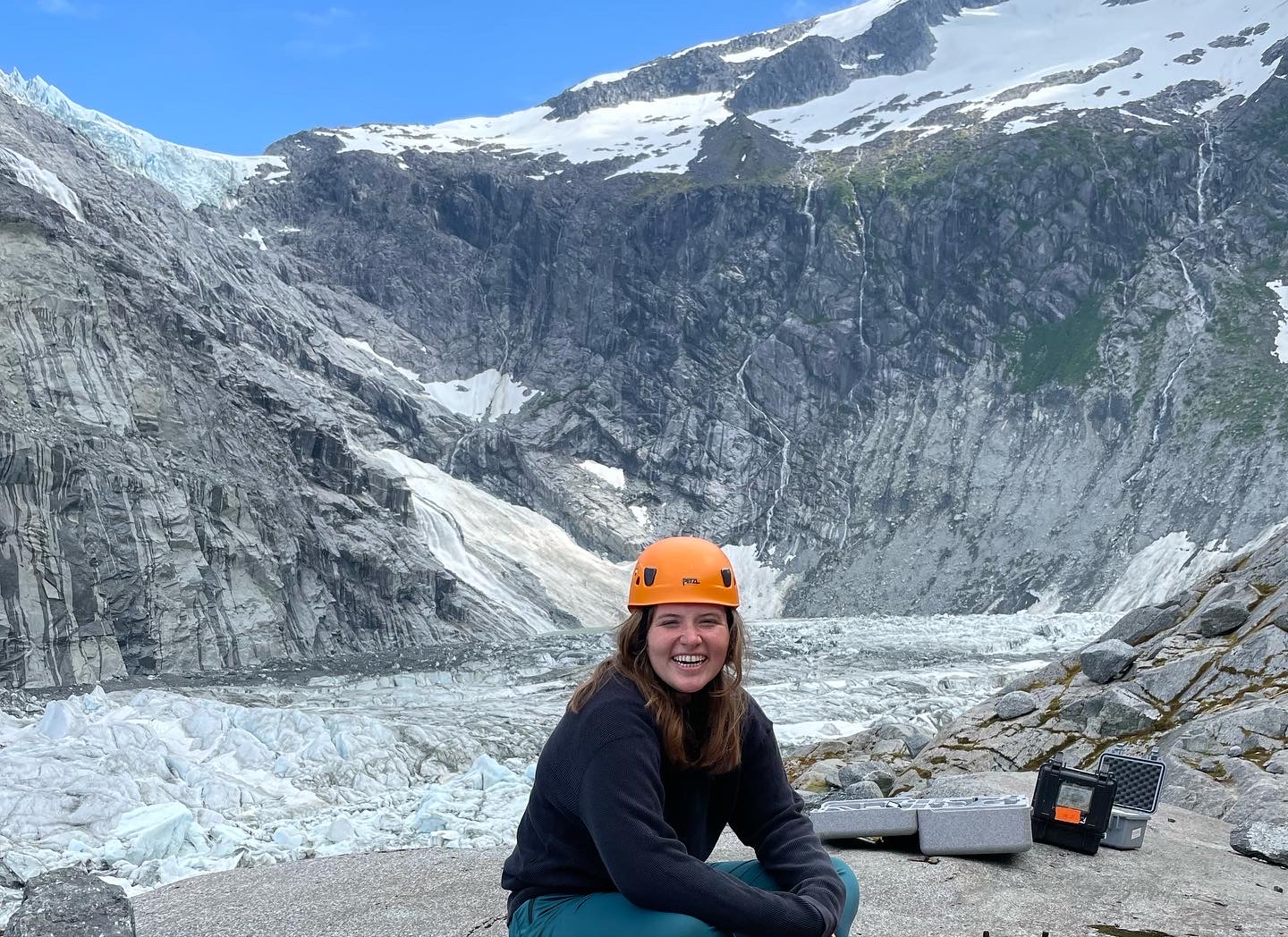
Glacial lake outburst floods (GLOFs) are hazardous surges that occur when ice-dammed or moraine-dammed lakes release a large volume of built-up water into the hydrologic system. In recent years, increased rates of glacial melt and recession have contributed to an increase in the number and intensity of GLOFs across the world. During retreat, smaller tributary glaciers often melt faster than the trunk glacier, creating depressions in the ice where the glaciers detach. As this depression grows larger over time, it fills with water from rain, snowmelt, and ice melt that is then released once the basin reaches its capacity. At this point, water is forced either through or under the ice dam and connects with existing conduits within the glacier. As discharge from the basin increases, the conduits melt and widen, creating a positive feedback loop that results in a quasi-exponential rise in discharge rates. Consequently, discharge from these floods can increase by an order of magnitude within a few days, making them especially dangerous for downstream communities and infrastructure.
This study will look specifically at Suicide Basin, a marginal ice-dammed basin on the Mendenhall Glacier in southeastern Alaska. Originally, the area was covered by Suicide Glacier, a small hanging glacier that flowed down from the surrounding peaks. However, beginning in the 1990s, Suicide Glacier began to retreat, leaving an ice-filled marginal basin adjacent to the Mendenhall Glacier. Since 2011, the basin has produced annual GLOFs that empty into the Mendenhall River. As the surrounding glaciers continue to retreat, Suicide Basin is experiencing a rapid change in geometry that may heavily impact the intensity of future floods.
Profile
Name: Elizabeth Bretscher, Undergraduate Student
Institution: University of Alaska Southeast
Major: Environmental Science
Mentor: Jason Amundson, jmamundson@alaska.edu
Award: Apprenticeship
Funding Period: 2022 to 2023